



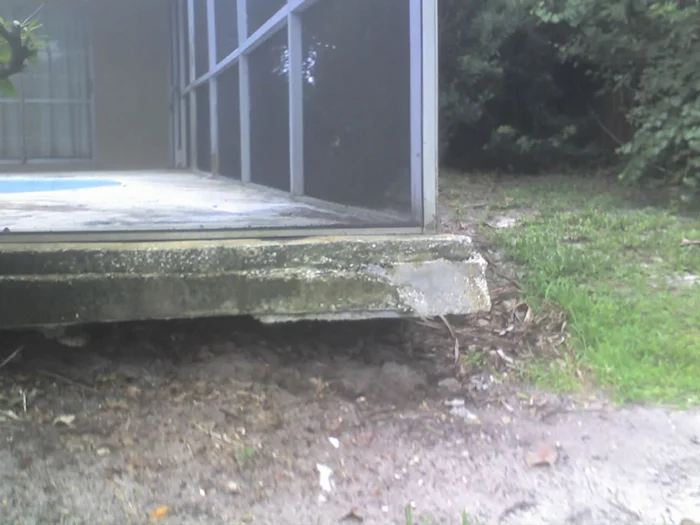



If your pool overflow (also known as the pool’s overflow drain or deck drain) isn’t working properly, it can lead to a number of problems that affect both the pool and its surrounding areas. Here’s a breakdown of the potential issues:
1. Water Damage to Pool Area and Surrounding Property
The primary function of the overflow is to ensure that excess water from heavy rain, splashing, or pool refilling is directed away from the pool deck and surrounding areas. If the overflow is clogged or malfunctioning, the excess water can overflow onto the pool deck, potentially damaging landscaping, patios, or even causing erosion.
- Landscaping Damage: Excess water may flood nearby gardens, causing plants to drown, wash away, or become waterlogged.
- Patio and Deck Damage: Water flowing onto a stone, wood, or concrete deck can cause staining, erosion, or even structural damage over time.
2. Pool Water Levels Rising Too High
When the overflow drain isn’t working, water from rain or other sources may not be properly directed out of the pool. This can cause the water level in the pool to rise too high, leading to:
- Skimmer Issues: If the water level rises above the skimmer, it may no longer function properly, which means debris and dirt won’t be removed from the surface effectively.
- Pump Strain: If the pool’s water level is too high, it can cause the skimmer and pump to work inefficiently or become overwhelmed. The pump may even struggle to circulate the water effectively, leading to poor filtration.
- Water Waste: Excessive overflow can result in unnecessary water loss once the pool level is too high and starts spilling over the edge. This wastes water and may require refilling the pool, which can be costly.
3. Clogged Drains and Plumbing Issues
The overflow drain is typically connected to a series of pipes that carry the excess water away from the pool area. If the drain or the plumbing leading to it becomes clogged or obstructed, water may not flow away as it should. This can lead to:
- Flooding Around Pool Area: Water that cannot escape from the pool can begin to pool around the perimeter, leading to the risk of flooding, especially during heavy rains.
- Plumbing Blockages: Clogs can lead to backups in the plumbing, requiring repairs to clear the blockage. This may involve costly plumbing work or the replacement of the drain system.
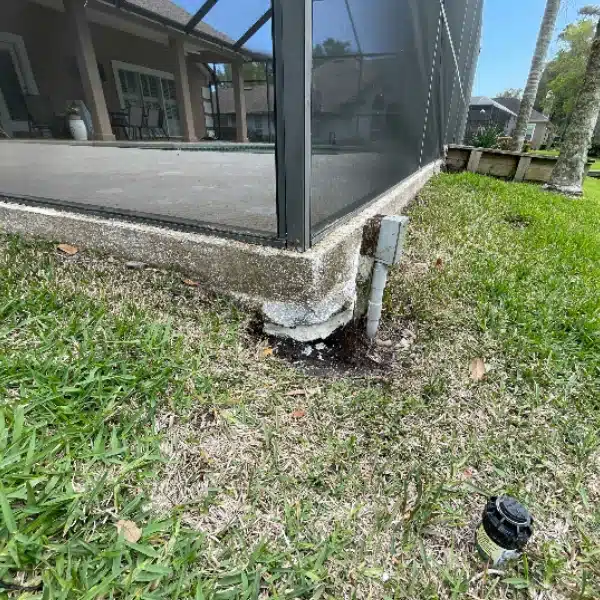
4. Erosion of Pool Shell or Surroundings
If water from the pool constantly overflows and isn’t redirected properly, it can erode the ground around the pool and the pool’s structure itself. Over time, this can cause:
- Structural Weaknesses: The constant exposure to excess water can weaken the pool’s foundation, especially if it’s made of concrete or other materials that are vulnerable to erosion.
- Damage to Surrounding Landscaping: Erosion caused by excessive water runoff can weaken retaining walls, destroy garden beds, or lead to uneven ground around the pool, making it unsafe.
5. Poor Pool Sanitation
A malfunctioning overflow can lead to poor water circulation, which affects pool sanitation. If the water is not being properly filtered due to the water level being too high, dirt and debris can accumulate in the pool, leading to cloudy water and potentially hazardous swimming conditions.
- Stagnant Water: If water levels are too high and water is not circulating properly, it can become stagnant, increasing the risk of algae growth and bacteria buildup.
- Filter Strain: A high water level can cause the pool’s filtration system to work harder, potentially overloading the system, leading to reduced efficiency and premature wear and tear.
6. Increased Cleaning and Maintenance Efforts
Without proper overflow drainage, you’ll likely need to perform more frequent cleaning of the pool and its surroundings. Excess water can create more debris, which may be washed into the pool or onto the deck, resulting in more time spent maintaining the area.
7. Increased Pool Chemicals and Imbalanced Water Chemistry
When the overflow system isn’t working properly, especially if the pool is overfilled, the excess water can dilute the pool chemicals. This may lead to:
- Imbalanced Pool Chemistry: The water’s chemical balance could be thrown off, making it harder to maintain proper pH levels, alkalinity, or sanitizer levels.
- Higher Chemical Usage: To compensate for the dilution of pool chemicals, you may find yourself needing to add more chemicals to maintain the water quality, which can increase costs.
8. Potential Safety Hazards
Excess water from the pool can create slippery surfaces around the deck and surrounding areas, increasing the risk of slips and falls, especially when the ground becomes consistently wet. This can be particularly dangerous for children, elderly individuals, or anyone walking near the pool.
What to Do If Your Overflow Is Not Working Properly
If you notice that your pool overflow is malfunctioning, it’s essential to address the issue promptly to prevent further damage. Here’s what you can do:
- Check for Obstructions: Inspect the overflow drain for debris or leaves that could be clogging the pipe. A simple cleaning or clearing may resolve the issue.
- Inspect the Plumbing: Check the plumbing and drains connected to the overflow system. If you notice signs of a blockage, you may need a plumber or pool professional to help clear the pipes.
- Ensure Proper Water Levels: Manually adjust the pool’s water level if it’s too high. Most pools have an automatic leveler, but if your overflow isn’t working, you may need to remove some water to prevent it from spilling over.
- Schedule Professional Maintenance: If you’re unable to fix the issue yourself, contact a pool technician to inspect the overflow system, clean the drains, or make necessary repairs.
Keeping your overflow system in good working condition is crucial for maintaining a functional, safe, and well-kept pool. Regular maintenance and inspection can help avoid these issues and ensure that your pool remains in top shape.